How to choose the right flatbed printer for your company is one of the biggest decisions business owners face when comparing Canon flatbed options. Get it right, and you gain years of productive, profitable output. Get it wrong, and you are stuck with a machine that either limits your capability or sits underused because it was more than you needed.
This guide covers the practical factors that actually matter when evaluating flatbed printers for a commercial print environment. No jargon for the sake of it. Just the considerations that affect your daily output, service offering, and bottom line.
Start with Your Production Volume
The single most important question is how much you need to print. Flatbed printers range from compact workshop models to full industrial production systems, and choosing the right tier saves you from either bottlenecking your workflow or overspending on capacity you will not use.
Think about your current daily output in square metres, then factor in realistic growth over the next two to three years. A machine that matches your current volume exactly will feel undersized within months if your business is growing. Equally, buying the largest system available when you only run one shift on three days a week is capital sitting idle.
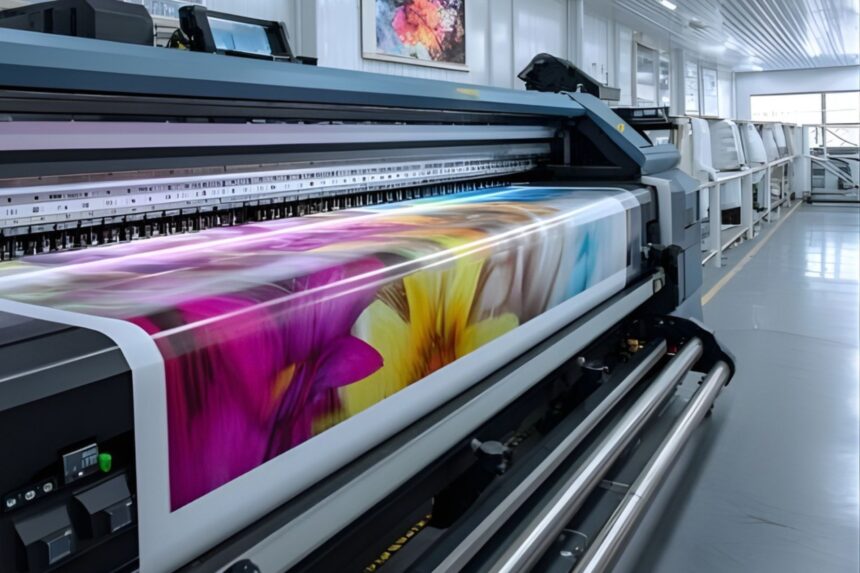
As a rough guide, entry-level professional systems like the Canon Océ Arizona 460 GT suit businesses producing moderate volumes of rigid signage and display work. For higher daily throughput with broader creative capability, the Canon Arizona 480 GT offers more. For industrial-scale operations processing hundreds of sheets per day, machines like the Canon 6170 XTS are built for that demand.
Understand Your Substrate Requirements
Flatbed printers handle rigid materials that roll-fed printers cannot. But not all flatbed printers handle every substrate equally well. Before committing to a machine, be clear about what you print on now and what you expect to print on in the near future.
Standard rigid substrates like foam board, foamex, aluminium composite panels, acrylic, MDF, and corrugated board are handled well by most professional UV flatbed printers. If you also need to print on flexible materials, check whether the system supports a roll media option. Some models offer this as an accessory, others do not.
Substrate thickness is another consideration. Most professional flatbed printers accommodate materials up to 50mm thick, but confirm this against the specific media you work with. Uneven or textured surfaces are generally manageable on true flatbed systems with vacuum tables, but test before you commit if you regularly work with non-standard materials.
Ink Configuration Matters More Than You Think
A four-channel CMYK system prints signage. A six-channel system prints signage with better gradients and smoother skin tones. An eight-channel system with white ink and varnish opens up entirely new revenue streams.
White ink allows you to print on dark, coloured, or transparent substrates. This is essential for backlit signage, layered graphics on clear acrylic, and any application where CMYK alone would be invisible or washed out. Varnish adds tactile finishes, spot gloss effects, and protective coatings directly in the print process.
Consider what your clients are asking for now and where the market is heading. If your current equipment only runs CMYK and you are regularly turning down creative briefs, an upgrade to a system with white ink and varnish capability could open profitable new work.
Print Quality vs Speed: Finding the Balance
Every flatbed printer offers trade-offs between speed and quality. High-speed modes push more sheets per hour but reduce fine detail. Quality modes produce sharper, more detailed output but slow down throughput. The best systems offer flexible print modes that let you adjust this balance per job.
Be realistic about what your work demands. If 80% of your output is standard signage viewed from a distance, you do not need photographic quality on every sheet. But if your business serves retail, exhibition, or interior graphics markets where print quality is scrutinised up close, invest in a machine with genuinely strong quality output at production-realistic speeds.
Reliability and Total Cost of Ownership
The purchase price is only part of the equation. Ink consumption, printhead lifespan, maintenance requirements, and expected downtime all contribute to the total cost of running a flatbed printer over its working life. A cheaper machine that breaks down regularly or burns through ink costs more in the long run than a premium system that runs consistently.
Ask about the machine’s track record in production environments. How many hours can it run continuously? What is the typical printhead replacement cycle? Are parts readily available? Is there manufacturer support or are you relying on a third-party service network?
Canon Arizona systems, for example, have a strong reputation for operational longevity and consistent performance. That kind of track record is worth factoring into your decision.
Supplier Expertise Matters
A knowledgeable supplier makes the difference between a smooth installation and months of frustration. Look for a supplier who specialises in the equipment they sell, can advise on machine selection based on your actual production requirements, and provides genuine support after the sale.
At Let’s Print Now, we supply Canon Arizona flatbed printers exclusively. That focus means we know the platform thoroughly and can give honest, informed advice about which system fits your operation. We offer supply and installation or supply-only, and we respond directly to every enquiry.
If you’re comparing leading flatbed printer brands, discover why Canon Arizona flatbed printers are trusted by businesses worldwide for their reliability, print quality, and long-term performance.
Ready to discuss your requirements? Call us on 01695 280740 or use our enquiry form.